Designing Luxury Homes That Produce As Much Energy As They Use


Orientation and Massing That Welcome the Sun, Not the Bills
Careful placement and geometry let a residence invite winter sun yet avoid summer glare. Aligning living spaces south, shaping overhangs to seasonal angles, and leveraging courtyards create luminous interiors that need less mechanical conditioning. Privacy is preserved, sightlines are elevated, and solar exposure is tamed with sculptural shading, allowing the architecture to feel generous while reducing energy demand before any equipment is specified.
Envelope First: Insulation, Airtightness, and Glazing Without Visual Compromise
High-end comfort begins with an envelope that quietly does the heavy lifting. Continuous insulation, meticulous air-sealing, and high-performance glazing eliminate drafts and cold surfaces, protecting art, finishes, and wellbeing. With slender thermally broken frames and selective low-e coatings, expansive views remain breathtaking. Builders trained in blower-door targets and mockups deliver precision, ensuring mechanical systems are smaller, quieter, and easier to conceal within refined interiors.
Iterative Energy Modeling as a Creative Tool
Energy modeling informs imagination rather than policing it. Rapid simulations test window size, skylight placement, shading profiles, and material choices, showing comfort, daylight, and carbon implications before construction. Designers explore multiple pathways, owners compare lifecycle costs, and teams build confidence around net-zero feasibility. This dynamic process empowers bold decisions, balancing sculpture and science while unlocking elegant, resilient solutions grounded in measurable performance outcomes.
Invisible Comfort: Quiet, Healthy, High-Performance HVAC for Sophisticated Living
Powering Elegance: Solar Generation, Storage, and Discreet Infrastructure
Solar That Honors Architecture and Views

Battery Systems, Backup Priorities, and Graceful Outage Behavior

EV Charging, Load Management, and Future Flexibility
Materials and Craft with Lower Carbon, Higher Longevity
High-Performance Windows and Doors, Tailored to Climate and Style
Triple glazing, thermally broken frames, and warm-edge spacers deliver comfort and clarity, even near dramatic openings. Custom profiles respect historic or minimalist aesthetics while meeting performance targets. Precise installation—shims, tapes, and pans—prevents moisture ingress. With low-e coatings selected for solar control and visible light, the home enjoys luminous interiors, reduced fading, and quiet sanctuaries that support both net-zero goals and refined architectural expression.
Lower-Carbon Structure and Finishes Without Aesthetic Compromise
Specify cement blends with supplementary materials, responsibly sourced stone, and engineered timber where appropriate. Seek Environmental Product Declarations to compare impact transparently. Durable finishes like lime plasters and hardwax oils age gracefully, resisting frequent replacement. Collaboration with artisans ensures tactile quality remains paramount while the project’s carbon footprint drops meaningfully. The result is a timeless interior where sustainability feels intrinsic, never tacked on or performative.
Circularity, Reuse, and Smart Detailing for Decades of Service
Designing for disassembly allows damaged components to be repaired rather than replaced wholesale. Reclaimed wood, vintage stone, and heirloom hardware add story and depth. Replaceable wear layers and accessible service pathways simplify maintenance. Builders document assemblies, while owners receive care guides that extend finishes’ life. The home’s material ecosystem becomes resilient, adaptable, and richly personal—aligned with net-zero energy ambitions across generations of mindful ownership.
Intelligence You Can Feel: Controls, Scenes, and Data That Serve You
Scenes That Align Comfort, Daylight, and Energy
Morning scenes lift shades to harvest sun in winter, pre-warm occupied rooms, and gently ramp task lighting. Afternoon scenes temper glare, precool during solar peaks, and ready spaces for arrivals. Evening scenes restore calm with warm dimming while protecting sleep health. Each scene translates design intent into daily experiences that also reduce energy intensity naturally, without occupants needing to micromanage thermostats or complex device settings.
Data You Actually Want: Clarity, Not Complexity
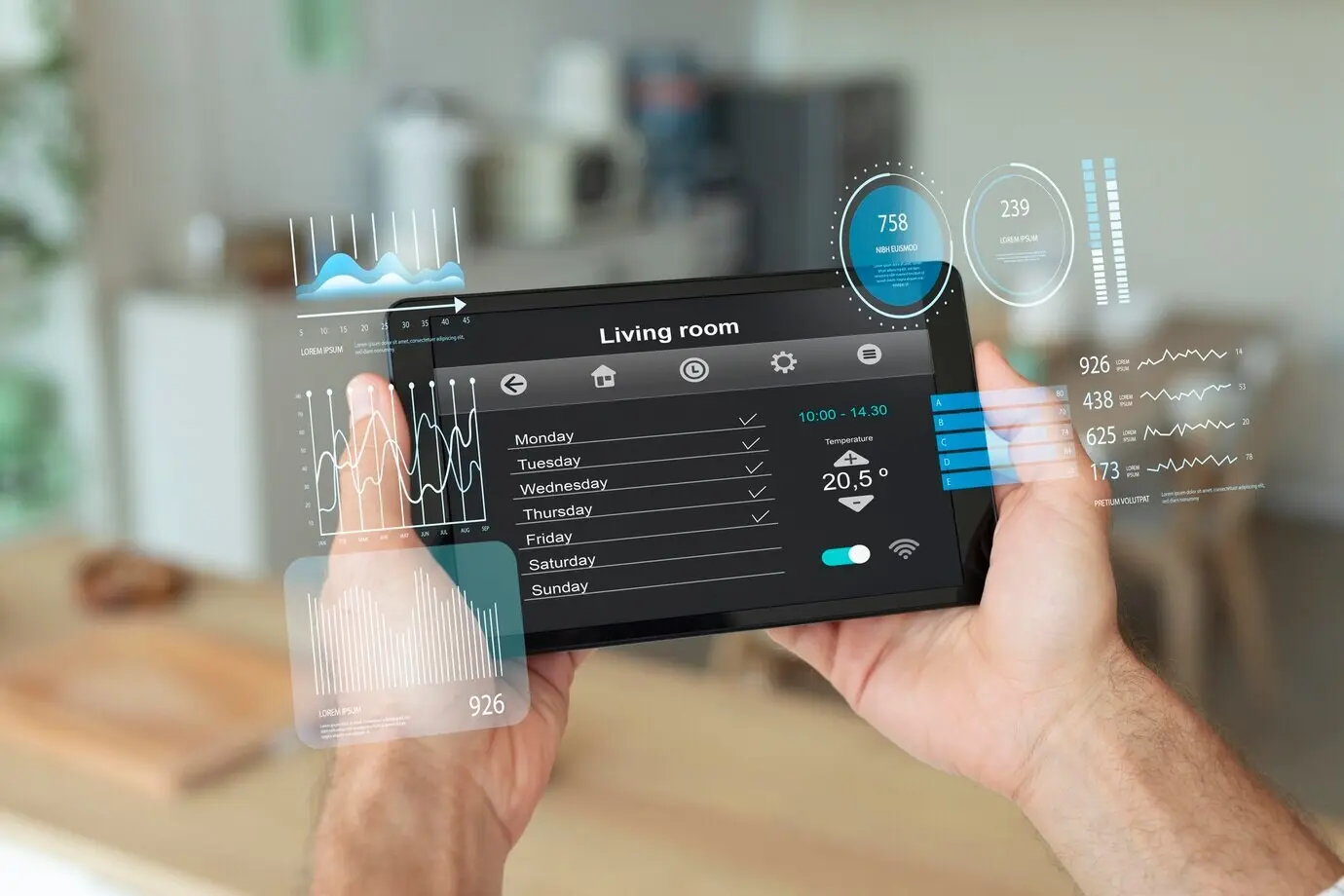
Submetering by end use—HVAC, lighting, plug, EV, pools—offers crisp visibility without overwhelm. Simple monthly narratives contextualize trends, highlighting wins and quiet warning signs. Privacy-preserving analytics keep data local when possible, with encrypted cloud backups for resilience. Owners receive seasonal insights and actionable prompts, while the design team gathers anonymized lessons to improve future residences. Information becomes a trusted ally, not an intrusive presence.
Water, Landscape, and Microclimate as Part of the Energy System
Verification, Stewardship, and Stories: Ensuring Net-Zero Year After Year